
Cabin in the Woods
Est. 1889 Washington State

The Wilds Await

search

New Hunter's Field Guide

This space is a practical guide to take a mere man and turn him into a hunter. It's for those who want to partake in the heritage of the hunt but do not know where to begin.

Become the Hunter

Become the Hunter

A foundational educational guide for those stepping into the wilderness for the first time.

Step by Step Roadmap
All Hunting Spots

All Hunting Spots

Access our comprehensive map archive to explore the best hunting terrains across the state.

Explore the Terrain
Know Your Prey

Know Your Prey

Species profiles, behavior patterns, and a guided quiz to match you with the right animal.

Prey Encyclopedia · Choose Your Prey
Prepare for the Hunt

Prepare for the Hunt

Essential gear checklists and first aid kit assembly for a successful expedition.

Get right gear for the hunt
Hunting Cost

Hunting Cost

Calculate licensing fees, permits, weapon cost, boots, clothing and everything else you need.

You can put a price on it
Know Your Weapon

Know Your Weapon

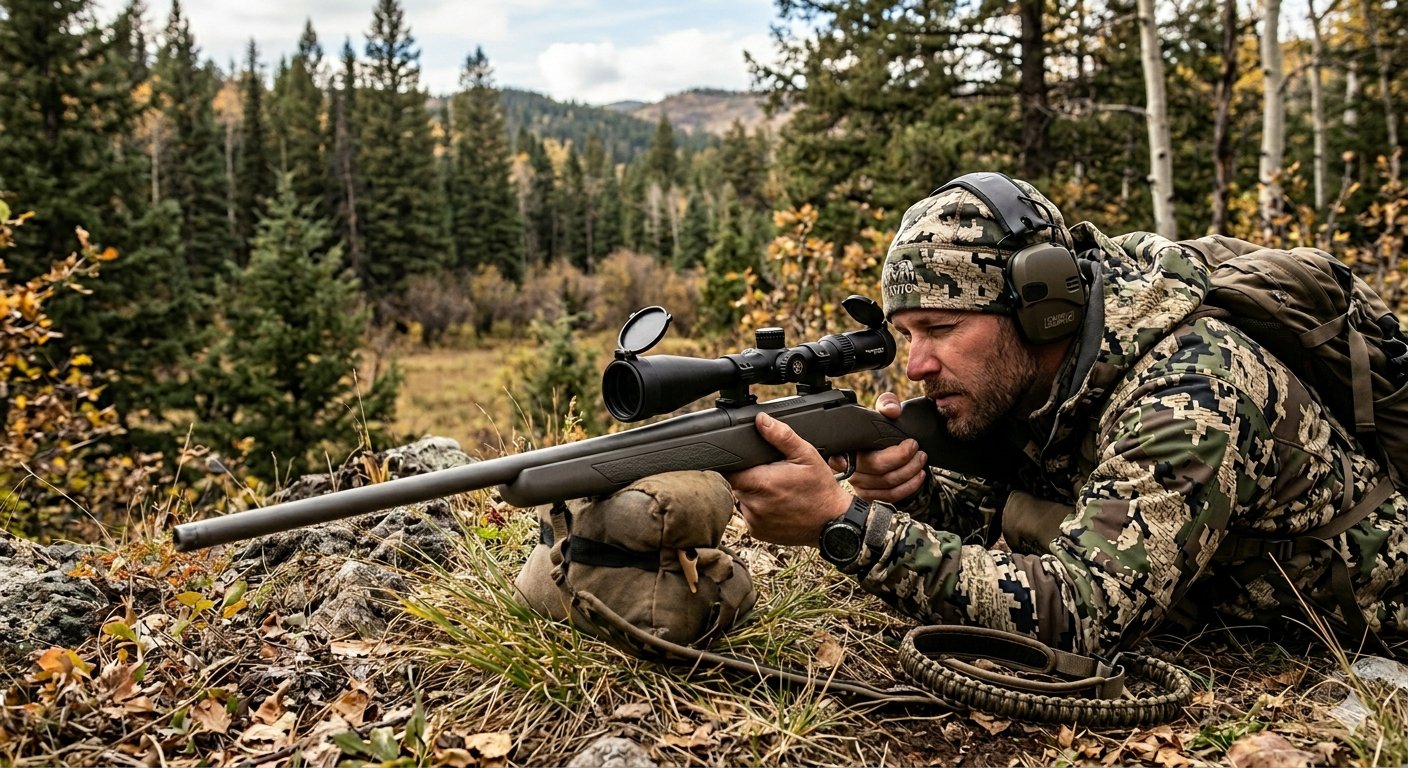
Clean your rifle or shotgun, mount and sight in your scope, and find a shooting range near you.

Clean. Zero. Shoot.
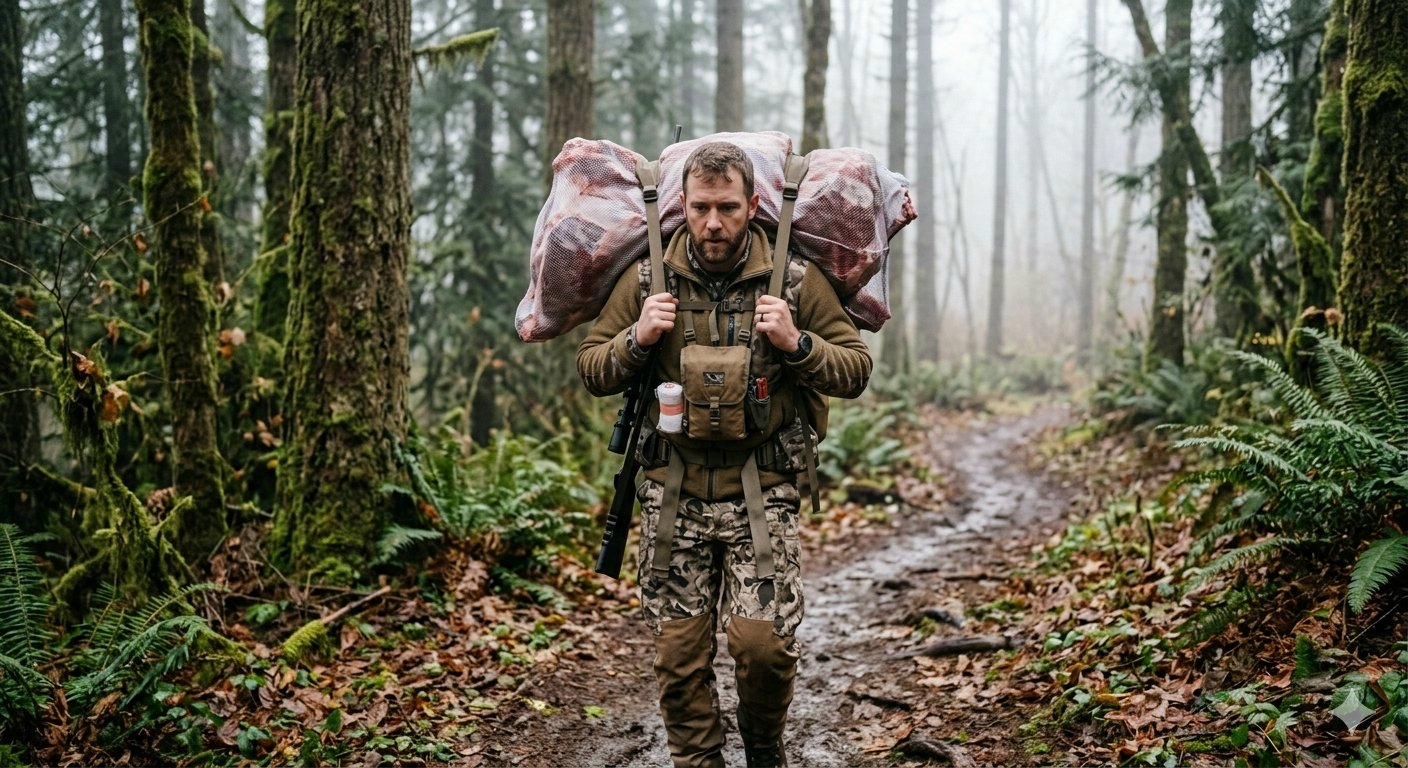
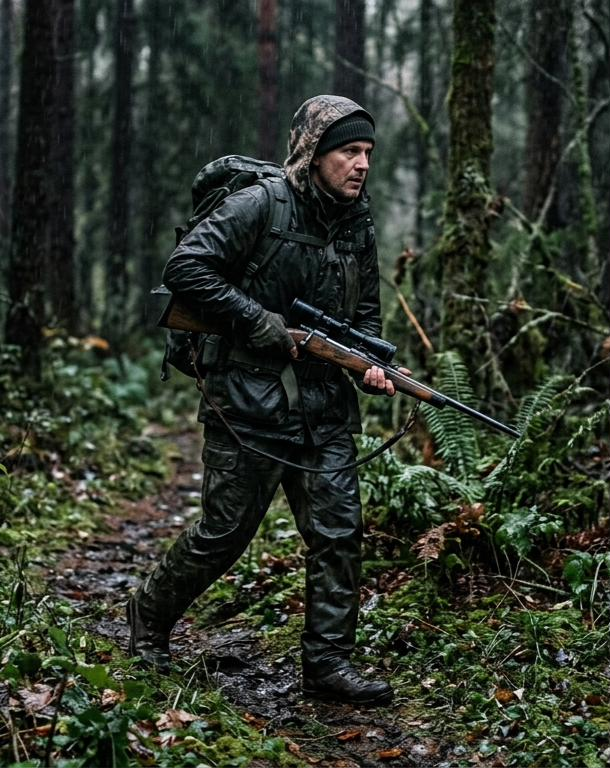
Hunter walking in the field

Conservation is the Core of the Hunter.

"To hunt is to witness the cycle of nature firsthand. We do not take; we participate. Our records ensure that the generations following us find the woods as vibrant as we did in 1889."

1.2M

Acres Protected

45+

Active Species

Donate to Support favorite
WASHINGTON STATE
Beginners Hunting Guide

Hunting Spots

Explore public land and managed access hunting spots across Washington State. A curated archive for the modern outdoorsman.

Donate favorite

Explore Destinations

Know Your Prey

A definitive digital record of huntable wildlife across Washington's diverse ecosystems—from the Olympic rainforests to the high desert of the Columbia Basin.

01. Deer & Big Game

11 Species Tracked
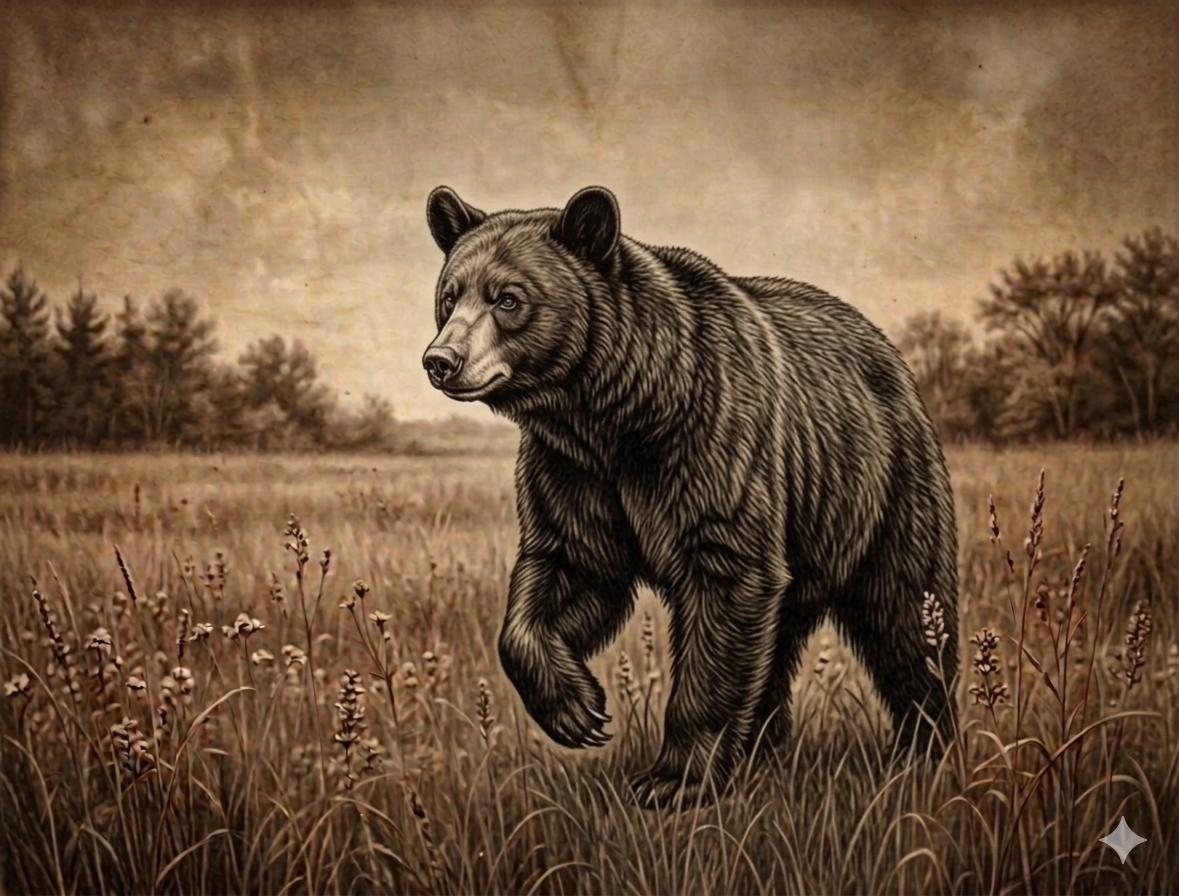
Black bear in field

Big Game Heritage

Washington offers diverse big game opportunities from the coastal rainforests to the high deserts. Pursuing majestic elk and wary deer through the Cascades remains one of the state's most storied sporting traditions.

02. Upland Birds

9 Species Tracked
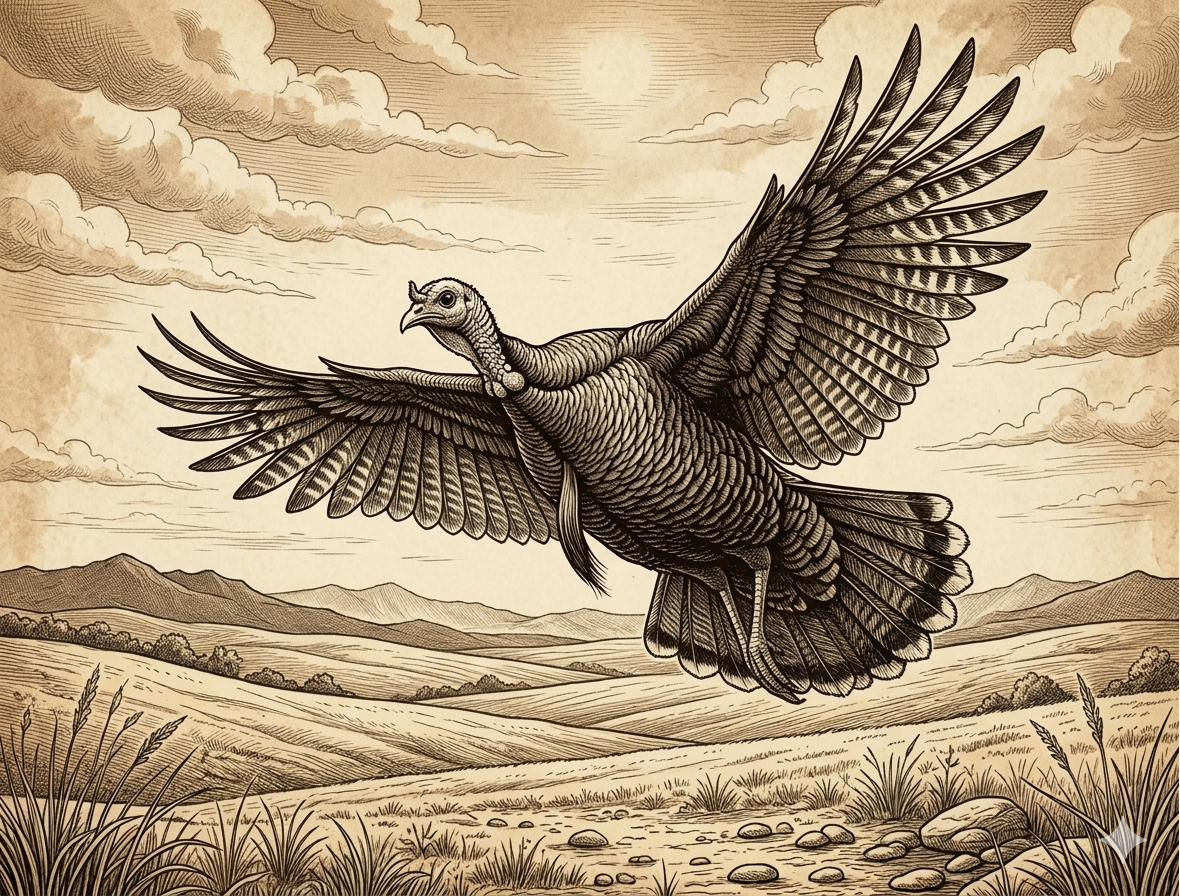
Wild Turkey

The Wing & Shot

From the resonant drumming of grouse in deep timber to the explosive flush of pheasant in the coulees, Washington offers premium wingshooting for those who appreciate the hunt behind a working dog.
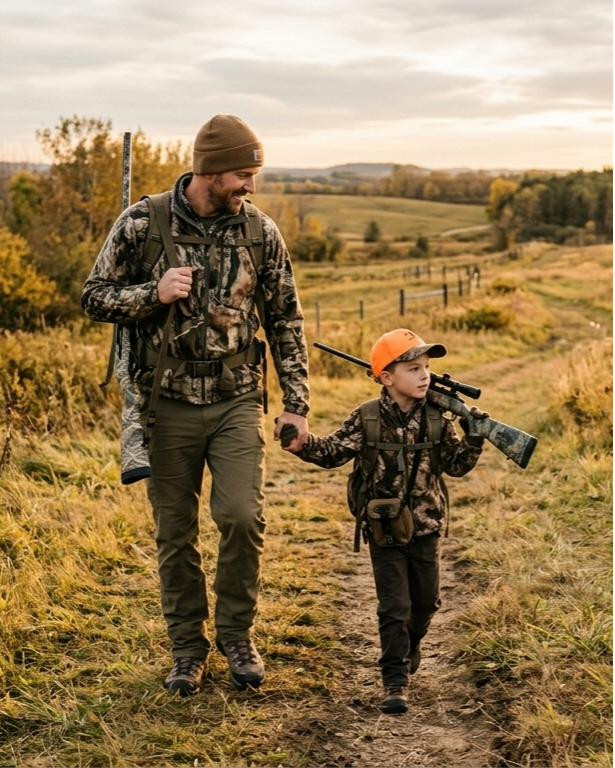
Dad and son hunting

Hunter Stewardship

Your contributions keep this guide alive and free for everyone. By donating, you directly support the next generation of woodsmen, providing them with the knowledge and ethics needed to honor the craft.

Donate favorite

03. Waterfowl

5 Species Groups
Canada Geese

The Pacific Flyway funnels millions of birds through Washington's waterways. From the flooded grain fields of the Basin to the saltwater bays of the Sound, the waterfowl hunting here is world-class.

04. Small Game & Predators

4 Species Groups

Cottontail Rabbit

Small game hunting provides essential field experience across long seasons. Coyotes are open year-round statewide. Rabbits and bobcats run September 1–March 15. All are distributed across every county.
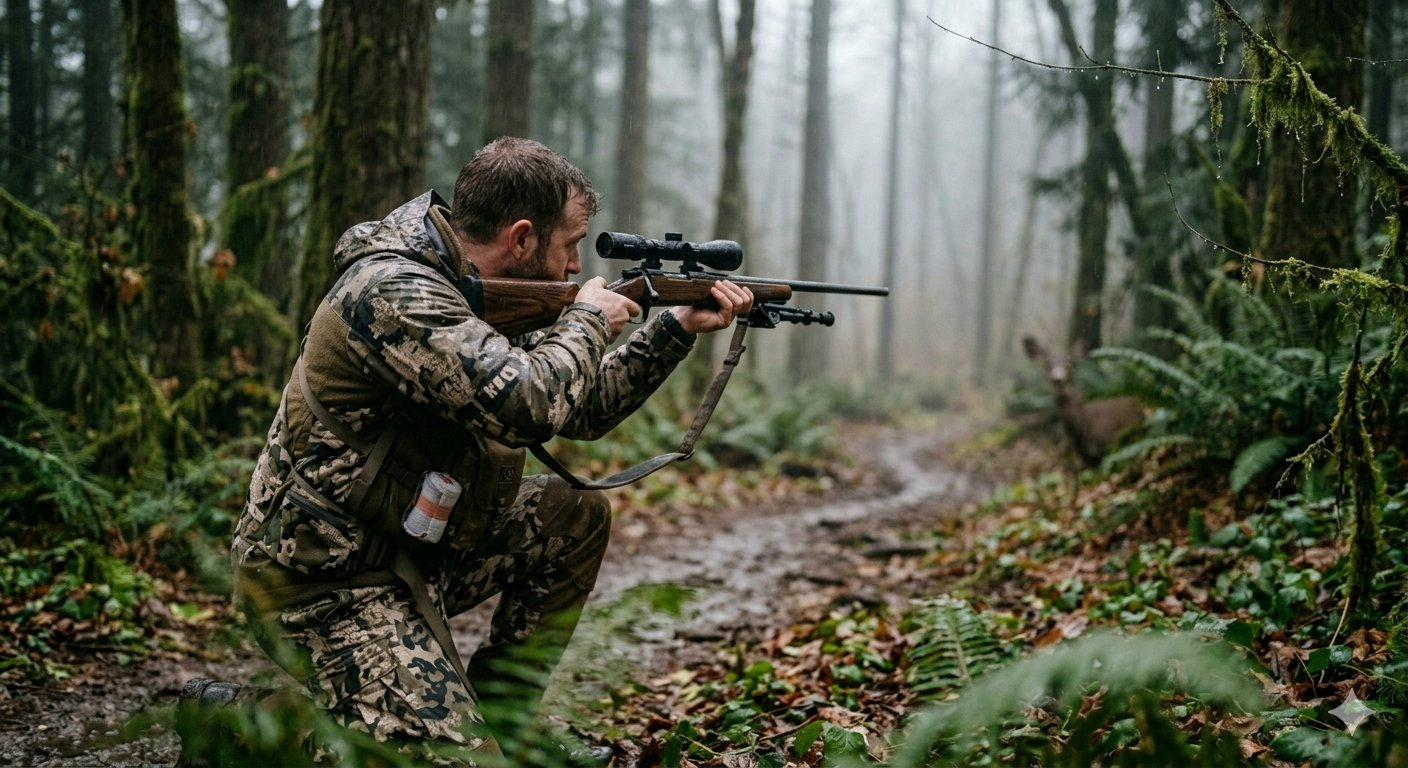
Donate to Support favorite

Become the Hunter

Everything you need to go from zero to your first successful hunt in Washington State. Follow these steps in order.

Step 1: Decide Step 2: Educate Step 3: License Step 4: Gear Up Step 5: Scout Step 6: Hunt
01

Decide

Before you pick up a rifle, you must pick a pursuit. This is the most important decision because it determines your license, gear, season, and location. Don't overthink it — most beginners start with one of three animals.

  • check_circleThis is the most important decision — it determines your license, gear, season, and location.
  • check_circleDecide if you prefer Big Game (Deer), Small Game (Rabbit), or Bird (Pheasant).

General Cost to Get Started

forest

Big Game — Deer, Elk, Bear

Most expensive to start. Rifle + optic alone runs $500–$1,000+. Add the Big Game Combo license (~$117 resident, includes deer, elk, bear, cougar tags), and mandatory gear (orange, knife, game bags). Budget $900–$1,600 for your first year. Payoff: a full freezer of wild meat.

flutter_dash

Birds — Pheasant, Grouse, Turkey, Duck

Mid-range start. A used shotgun runs $300–$500. Add small game license (~$45 resident), shells, and boots. Budget $500–$900 total. Fast-paced action and excellent table fare. Waterfowl adds Federal Duck Stamp ($28) and decoy costs ($200–$500).

cruelty_free

Small Game — Rabbit, Squirrel, Coyote

Cheapest way in. A .22 rifle costs $250–$350. Small game license is ~$45 (resident). Budget $300–$500 to start. Best choice for learning fundamentals before committing to bigger game.

stars Best first animals for WA beginners

park

Black-tailed Deer — Most popular. West of Cascades.

flutter_dash

Upland Birds — Lower cost, fast-paced fun shooting.

pets

Cottontail — Sept 1–Mar 15, limit 5/day. Perfect first hunt.

02

Educate

Washington requires anyone born after Jan. 1, 1972, to complete a hunter education course. This is the foundation of safety and ethics.

⏱ What to Expect — Time Commitment

The online portion takes about 10 hours of coursework. Most people do roughly an hour a day — so plan for 2 weeks to complete it without rushing.

After that comes a 4-hour in-person field day — you shoot a firearm, demonstrate safety skills, and get signed off by an instructor. These field days fill up fast and need to be scheduled at least 2–3 weeks in advance.

👉 Bottom line: Start the certification process at least 1 month before you plan to buy your license.

Traditional Course

In-person classroom sessions.

Find a Class

Online + Field Day

Hybrid learning for busy schedules.

Start Free Course
03

License

Once certified, you must purchase the correct licenses and tags. Tags are species-specific.

License to Hunt Everything

Washington sells licenses as bundled packages. The most popular is the Big Game Combo (~$117 resident) which includes deer, elk, bear, and cougar tags in one purchase. Small game only is ~$45. Always verify current prices at fishhunt.dfw.wa.gov before purchasing.

License for One Animal

If you only plan to hunt small game or upland birds, you can purchase just a Small Game License or Upland Bird Validation — cheaper than the full bundle.

⚠️ Bag Limits — Know Before You Go

Every tag comes with limits on how many animals you can take. Deer: typically 1 per season. Pheasant: 3 roosters per day. Duck: 7 per day with species restrictions. Violating bag limits is a serious offense — always read your tag rules.

Note: License fees increased ~38% in July 2025 — the first increase since 2011. Always verify current prices at fishhunt.dfw.wa.gov before purchasing.

Buy Your WA License Online

Purchase at fishhunt.dfw.wa.gov

Buy Now
assignment_late

Key Dates

Most tags must be purchased by late October. Check the WDFW hunting calendar for exact deadlines.

04

Gear Up

04

The Armory

Choosing Your First Gun

🦌 Deer / Big Game → Bolt-action Rifle

Best starter: Savage Axis II (~$400) or Ruger American (~$450). Get it in .308 Win or .243 Win — both are widely available, manageable recoil, deadly on deer.

🐦 Birds / Turkey → Shotgun

Best starter: Mossberg 500 (~$380) or Remington 870 (~$400). A 12-gauge handles everything from pheasant to turkey. Get a modified choke for versatility.

🐇 Small Game / Rabbit → .22 Rifle

Ruger 10/22 (~$300) is the classic. Cheap to shoot, low recoil, perfect for learning fundamentals before moving up to big game.

🎯 Practice Before the Season — This is Non-Negotiable

Don't wait until opening day to shoot your gun. Get to a range at least 4–6 weeks before the season opens to sight in your scope and confirm your rifle is zeroed at the distance you plan to shoot. A gun that isn't properly sighted in is the #1 cause of wounded and lost animals. Shoot at least 20–30 rounds to verify your zero and build confidence. If you're new to firearms, consider a basic rifle or shotgun course at a local range first.

How and Where

Where to Buy in Washington

Cabela's / Bass Pro (Auburn, Tacoma, Tulalip) — Huge selection, staff know hunting
Sportsman's Warehouse — Multiple WA locations, competitive pricing
Local gun stores — Often best advice, willing to let you handle guns before buying
Facebook Marketplace / GunBroker — Good used deals, must go through licensed dealer (FFL) for transfers

WA State Gun Purchase Rules

• Must be 18+ for rifles/shotguns, 21+ for handguns
• Background check required for ALL firearm purchases in WA
• 10-business-day waiting period on all firearms
• No magazine capacity restriction for hunting rifles

The Field Gear

Essential Gear Checklist

✓ Hunter orange vest + hat (400 sq in during firearm deer season)
✓ Waterproof boots with ankle support
✓ Layered clothing — base, mid, outer shell
✓ Binoculars (8x42 minimum for deer hunting)
✓ Sharp hunting knife + game bags
✓ Gaia GPS app with offline WA maps downloaded
✓ OnX Hunt app — shows public vs. private land boundaries
✓ First aid kit, headlamp, food, water

Prepare Your Weapon

Before Every Hunt

🔧 Clean Your Rifle or Shotgun

Carbon fouling and moisture cause accuracy loss and jams at the worst possible moment. Clean your firearm after every use and before each hunting season. A 20-minute clean is all it takes — bore brush, solvent, oil patch, done.

🔭 Sight In Your Scope

A scope that's off by 2 inches at 100 yards means a missed animal or worse — a wounded one that runs. Zero your rifle 4–6 weeks before the season so you have time to fix any issues. Confirm your zero again after any transport or handling.

⚠️ Don't Skip This Step

An improperly maintained or unchecked weapon is the #1 cause of wounded and lost animals among new hunters. Take it seriously — your success and the animal's welfare depend on it.

05

Scout

"A mile of scouting is worth ten miles of hiking during the season."

e-Scouting

OnX Hunt — Most Important App

Shows public vs. private land boundaries in real time using your GPS. The #1 tool to avoid trespassing. ~$30/year. Download offline maps before leaving cell service.

Gaia GPS — Navigation

Download full WA topo maps offline. Works without cell service. Know how to get back to your car even if you get turned around in the timber.

WA DNR Road Map — Timber Roads

Go to dnr.wa.gov/programs-initiatives/recreation/find-dnr-lands to see which roads are open and which require a Discover Pass or Green Dot permit. Or download Avenza Maps (free app) and add the WA DNR public lands layer for offline use.

Boots on the Ground

Visit your spots in late summer. Look for tracks, scat, and bedding areas.

A word of honesty for new hunters: Watching videos online teaches you what to look for — but your eyes won't recognize it in the field until you've seen it in person several times. Tracks, rubs, scrapes, and beds look very different in real terrain than in a YouTube thumbnail. Plan to visit your scouting location at least 2–3 times before the season opens, ideally starting 6–8 weeks out. Each visit you'll notice more than the last. There is no shortcut for time spent in the field.

WDFW Wildlife Areas

Managed specifically for public hunting. No permission needed. Signs mark the boundaries.

National Forests

Millions of acres. Great for deer, elk, grouse. Requires downloaded maps.

DNR Timber Lands

Huge clearcut areas, excellent for western WA black-tail deer.

BLM Land

Common in eastern WA. Open sagebrush country great for birds and mule deer.

06

Hunt

The culmination of your preparation. Focus on the wind, stay quiet, and be patient.

Morning of Your Hunt

① Check the WA hunting regulations for your GMU at wdfw.wa.gov
② Confirm your license and tag are in your pack
③ Tell someone where you're going and when you'll be back
④ Arrive at your spot before first legal shooting light (30 min before sunrise)
⑤ Move slowly, stay quiet, and watch more than you walk
⑥ If you harvest an animal — tag it immediately before moving it

After a Successful Harvest

• Tag the animal immediately (attach physical tag)
• Field dress as soon as possible to cool the meat
• Report your harvest at fishhunt.dfw.wa.gov within 10 days (required by law)
• Process at home or take to a local butcher ($150–400 for deer)

First Hunt Tip

Don't go alone your first time if you can help it. Ask an experienced hunter to come with you — even one trip with a mentor teaches you more than 10 hours of reading.

groups

Find a Hunting Mentor

Learning from a veteran is the fastest way to gain confidence. WDFW and local organizations offer free programs for new hunters.

info

Important: Your first license needs to be purchased in person at an on-site location.

Donate to Support favorite
Question 1 of 5 0%

Choose Your Prey

Based on your answers, we'll match you with the right animal to start with.

Donate to Support favorite

Hunting Cost

Pick your situation and see a realistic budget — from licenses to gear. This does not cover every possible situation but gives you realistic figures +/- 15%.

Hunting gear
Section 01

Licenses & Tags

Small Game $40.50
Deer $44.90
Elk $84.70
Ducks / Waterfowl $42.40
Bear or Cougar $44.90
Turkey $18.00
Add Discover Pass (Required for state lands) — $35.00
Section 02

The Armory & Kit

precision_manufacturing Firearm

Already have one$0
Budget shotgun$380
Mid-range shotgun$750
Budget rifle$550
Mid-range rifle$1,100

visibility Scope

Already have one / using shotgunIron sights or existing scope.Free
Budget ($100–200)Vortex Crossfire II. Reliable to 200 yds.$150
Mid-range ($300–500)Vortex Diamondback or Leupold VX-Freedom.$400
Quality ($700+)Leupold VX-5HD or Vortex Viper PST.$850

rebase_edit Box of Ammo

Already have oneFree
Rifle ammo (20 rds)$45
Shotgun shells (25 rds)$25

backpack Backpack

Already have oneAny sturdy pack works for a first season.Free
Scout ($40–80)Small, light pack for quick hunts.$60
Day pack ($100–200)Proper hunting pack with waist belt.$150
Multi-day ($300+)Large frame pack for heavy loads.$450

cases Gun Case

Already have one$0
Budget soft case$30
Mid-range hard case$90
Pelican / heavy-duty$200
Section 03

Clothing & Equipment

Hunting Jacket

Already have one$0
Budget set$80
Mid-range Technical$280
Quality (Sitka/Kuiu)$600
Hunter orange vest & hat — $20

Hunting Pants

Already have one$0
Budget set (Camo)$80
Mid-range Technical$280
Quality (Sitka/Kuiu)$600

Field Boots

Already have one$0
Budget insulated$100
Mid-range Waterproof$200
Quality leather (Danner)$380

Binoculars

Already have one$0
Budget$90
Mid-range$280
Quality$550

Rangefinder

Already have one$0
Budget$80
Mid-range$120
Quality$300

First Aid Kit

Already have one$0
Budget$30
Mid-range$75
Quality$150

Technology

Already have one$0
OnX / Gaia GPS$30
Sat Comm (Garmin)$400
Complete Kit$430

Game Calls

Already have one$0
Budget$40
Mid-range$130
Quality$320
Section 04

Game Care

content_cut Field Dress

Multitool$40
Knife$40
Game bags$40
Paracord$10

conveyor_belt Game Processing

Donate to Support favorite

Prepare for the Hunt

Leaving in the morning, back by dark. Typically 6–10 miles of hiking. Gear assumes WA fall weather: cold mornings, possible rain.

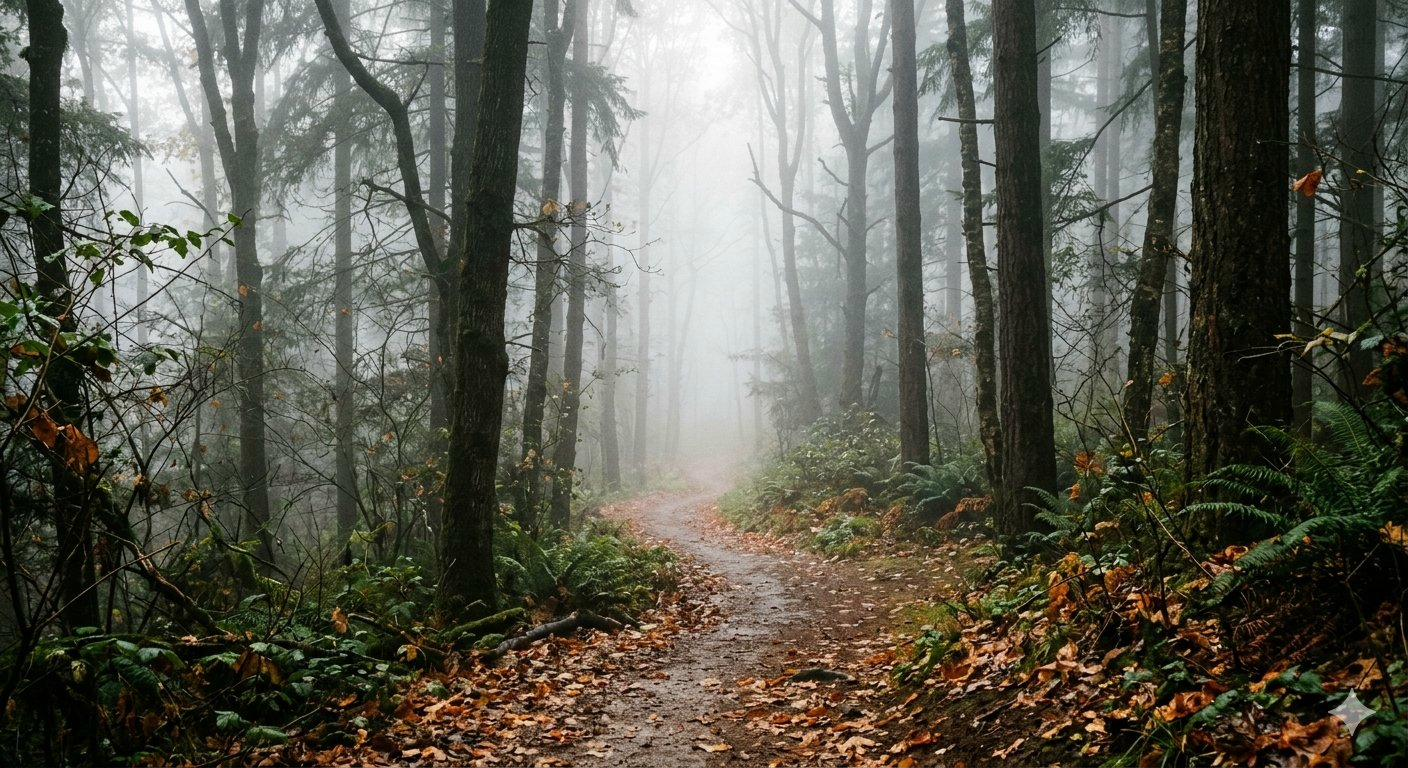
Misty forest at dawn

Respect the terrain, anticipate the weather.

target

Equipment

check_circle
Firearm
Rifle, shotgun, or bow. WA requires unloaded and cased firearms in vehicles.
assignment_ind
Hunting License + Tag
Your tag must be immediately validated (signed/punched) at the moment of kill.
apparel
Hunter Orange / Pink
Minimum 400 sq. inches above the waist. Required by WA law — no exceptions.
cleaning_services
Cleaning rod & ammo
Bring at least 20 rounds. Some areas restrict lead ammunition near water.
visibility
Binoculars (10x42 or similar) with harness
Essential for spotting game at distance. A harness keeps them accessible and off your neck on long days.
straighten
Rangefinder
Know your exact distance before you shoot. Critical for ethical harvests — especially for bowhunters.
music_note
Game calls
Elk bugles, deer grunts, turkey calls — the right call at the right moment can bring game in close.
flashlight_on
Headlamp or flashlight with spare batteries
You will hike in the dark — before dawn or packing out after a late kill. Always have this.
explore

Navigation

checkroom

Clothing

water_drop

Waterproof jacket & pants

WA weather is unpredictable — bring these always. Western or Eastern WA.

hiking

Waterproof boots

Mid to high boots preferred in western WA — waterproof. Low to mid for Eastern WA. Avoid insulated even if hunting late.

layers

Warm base & mid layer

WA mornings 25–35°F in Oct. Fleece is quiet; wool retains heat when wet. Extra wool socks.

ac_unit

Head Gear

You lose 30% of body heat through your head. Beanie under orange hat is an easy win.

lunch_dining

Food, Water, & Waste

2–3 Liters of Water

Dehydration causes poor decisions. WA streams carry Giardia — always filter or bring your own.

High-calorie snacks

2,000–3,000 calories if you're hiking hard. Jerky, nuts, energy bars. Eat before you get hungry.

Biodegradable toilet paper

Leave No Trace standard for WA backcountry. Bury waste 6 inches deep and 200 feet from water.

Hand sanitizer

After using the bathroom and before handling food. Essential hygiene in the field.

Trash bag

Pack it in, pack it out. Also useful for keeping wet gear separated or covering your pack in rain.

emergency_share

Safety & Response

First Aid Kit

See the First Aid Kit tab for the full 30-item checklist. Build it once, carry it every hunt. Non-negotiable.

Headlamp + Spare Batteries

You will be hiking in the dark — either before dawn or packing out after a late kill. Always have this. Cold kills battery life fast, so carry spares inside a warm pocket.

Fire Starter Kit

Carry at least two methods: lighter + waterproof matches + ferro rod. WA wilderness can turn dangerous fast. Fire means warmth, signal, and survival. Petroleum jelly-soaked cotton balls make excellent tinder.

Satellite Communicator (Garmin inReach / SPOT)

Highly recommended for WA hunting. Most backcountry areas have zero cell coverage and can be hours from the nearest town. A Garmin inReach Mini runs ~$35/month and can summon rescue from anywhere on Earth.

Portable Power Bank

Keep your phone, GPS, and satellite communicator charged in the field. A 10,000–20,000mAh bank will last multiple days. Cold temperatures drain batteries quickly — keep it warm in your pack.

Camera / Phone

WA requires photo documentation for some special permit harvests. Beyond that — you'll want the memories. Keep your phone in a waterproof case and download offline maps before you leave home.

Emergency Whistle + Space Blanket

A whistle carries farther than your voice and works when you're too exhausted to yell. A space blanket weighs 2 oz and can prevent hypothermia — WA's most common backcountry killer. Both fit in a shirt pocket.

Harvest Gear

For when the work truly begins.

content_cut Sharp Knife + Sharpener
clean_hands Nitrile/Latex Gloves (3 Pairs)
shopping_bag 4x Game Bags
line_weight 50ft Paracord
build Multi-tool
link Zip Ties
balance
balance
Washington State
Law

"You must keep ALL edible meat from any big game animal – wanton waste of meat is illegal in Washington."

lightbulb

Pack Weight Tip: Total pack weight should stay light (aim for 15–25 lbs loaded) since it's a single-day trip. Use a 20–30L daypack or hunting-specific pack with a good hip belt.

Donate to Support favorite
Support the Guide

Keep the Tradition Alive

This guide was built by a hunter, for hunters — completely free, no ads, no paywalls. Every section you've read, every hunting spot on the map, every checklist item was crafted to help you succeed in the field.

Father and son hunting

"The best hunting memories aren't just about what you harvest — they're about who you bring along."

forest
favorite
A Note from the Creator

I built this guide because when I started hunting, I was overwhelmed. Where do I get a license? What do I pack? What animals can I hunt, and where? There was no single place that answered all of it — especially for Washington State.

So I built it. No ads. No subscriptions. Free for every new hunter who finds it. If this guide has helped you — or helped you help someone else get into the woods — please consider supporting it.

Your donation keeps the map updated, the regulations current, and the next generation of hunters informed. Every dollar goes directly into improving this resource.

Your Impact

What Your Donation Does

map

Keeps the Hunting Spot Map Updated

New public land locations, access notes, and seasonal updates for every region of Washington State.

rule

Annual Regulation Updates

WDFW seasons and rules change every year. Your support ensures new hunters always get accurate, up-to-date information.

menu_book

More Species & Content

Expanding to cover more WA game species, waterfowl guides, upland bird strategies, and beginner-focused tutorials.

people

Supports the Next Generation

Hunter recruitment is the lifeblood of conservation. Every new ethical hunter is a win for wildlife and wild places in Washington.

Choose an Amount

Every contribution — large or small — makes a real difference. No account required.

Secure payment · No account required · Cancel anytime for recurring

"Hunting is not just a sport — it's a heritage worth passing on. Thank you for helping keep it alive."

person
Roman Tolstykh
Washington State Hunter & Guide Builder
Legal

Privacy Policy

Last updated: April 2026 · Washington State Beginners Hunting Guide

This guide was built by a hunter, for hunters — completely free, with no ads and no paywalls. Your privacy matters to us. This policy explains clearly and simply what information this app does and does not collect.

1. What We Collect

This app is a static web application. We do not operate servers, databases, or user accounts. As a result, we do not collect, store, or transmit any personal information from your use of this guide.

Specifically, we do not collect:

  • Your name, email address, or contact information
  • Your location or GPS coordinates
  • Browsing history or behavior analytics
  • Device identifiers or cookies
  • Payment or financial information

2. Location Access

The Hunting Spots map may request access to your device's location to show nearby hunting areas. This access is optional — you may deny it and still use the full app. Your location is never transmitted to any server and is used only within your browser session to display relevant spots on the map.

3. Third-Party Services

This app loads resources from the following third-party providers. Each has its own privacy policy:

Google Fonts
Loads the Newsreader and Work Sans typefaces. Google may log font requests per their standard practices.
OpenStreetMap / Leaflet
Powers the interactive hunting spots map. Map tile requests are made to OpenStreetMap servers, which may log your IP address.
Donations (if applicable)
If you choose to donate, you will be directed to a third-party payment processor (such as Stripe or PayPal). All payment data is handled by that provider — we never see or store your payment information.

4. Cookies & Local Storage

This app does not use cookies. It may use your browser's local storage to save your preferences (such as checklist progress in the First Aid Kit or budget selections) entirely on your own device. This data never leaves your device and can be cleared at any time through your browser settings.

5. Children's Privacy

This guide is intended for adults and young hunters accompanied by adults. We do not knowingly collect any information from children under the age of 13.

6. Accuracy of Information

While every effort is made to keep hunting regulations, season dates, and licensing information accurate, this guide is not an official source. Always verify current rules at wdfw.wa.gov before hunting. Regulations change annually.

7. Contact

If you have any questions about this privacy policy or the app, please reach out directly:

Donate to Support favorite

Know Your Weapon

Clean your weapon, sight in your scope, and find a range near you. A well-maintained, properly zeroed firearm is the foundation of every successful hunt.

Clean Your Rifle

A clean rifle is an accurate rifle.

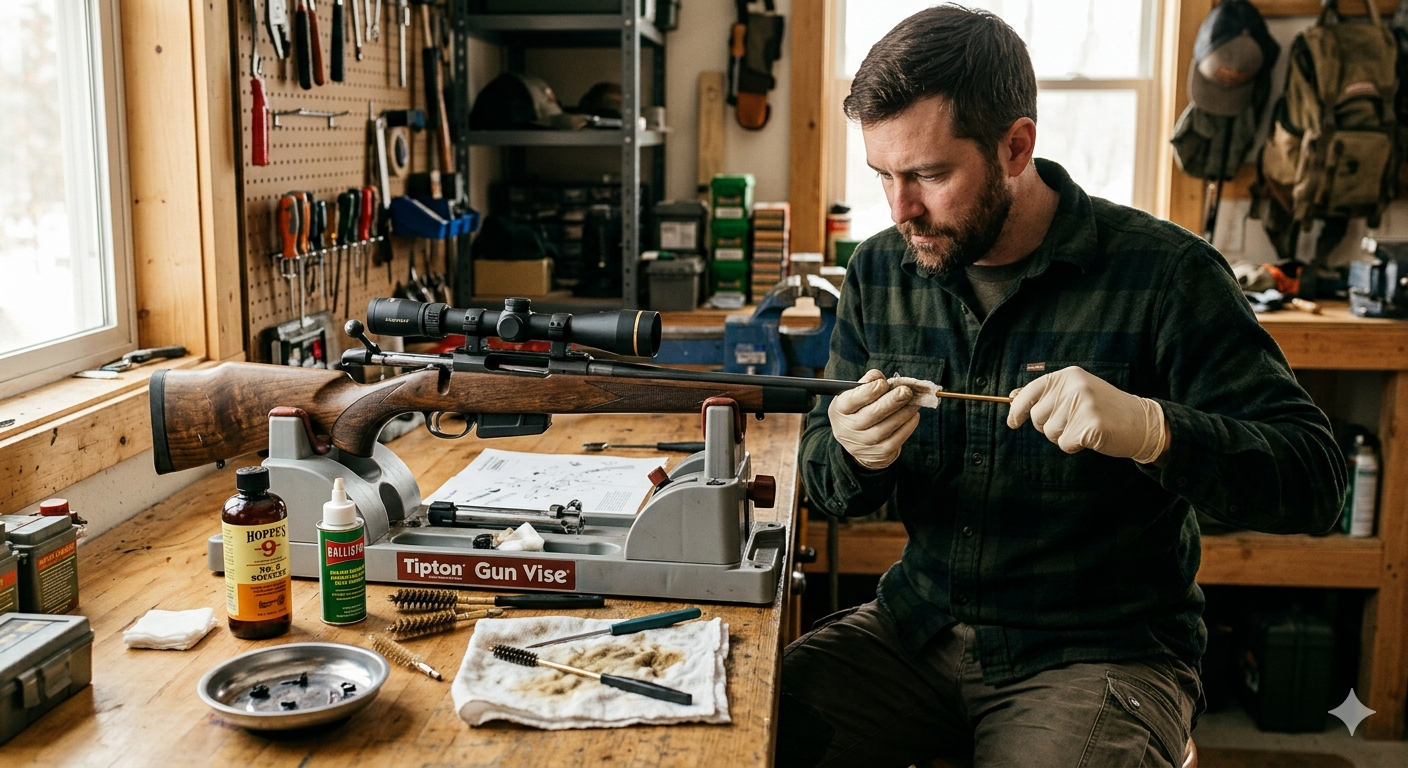
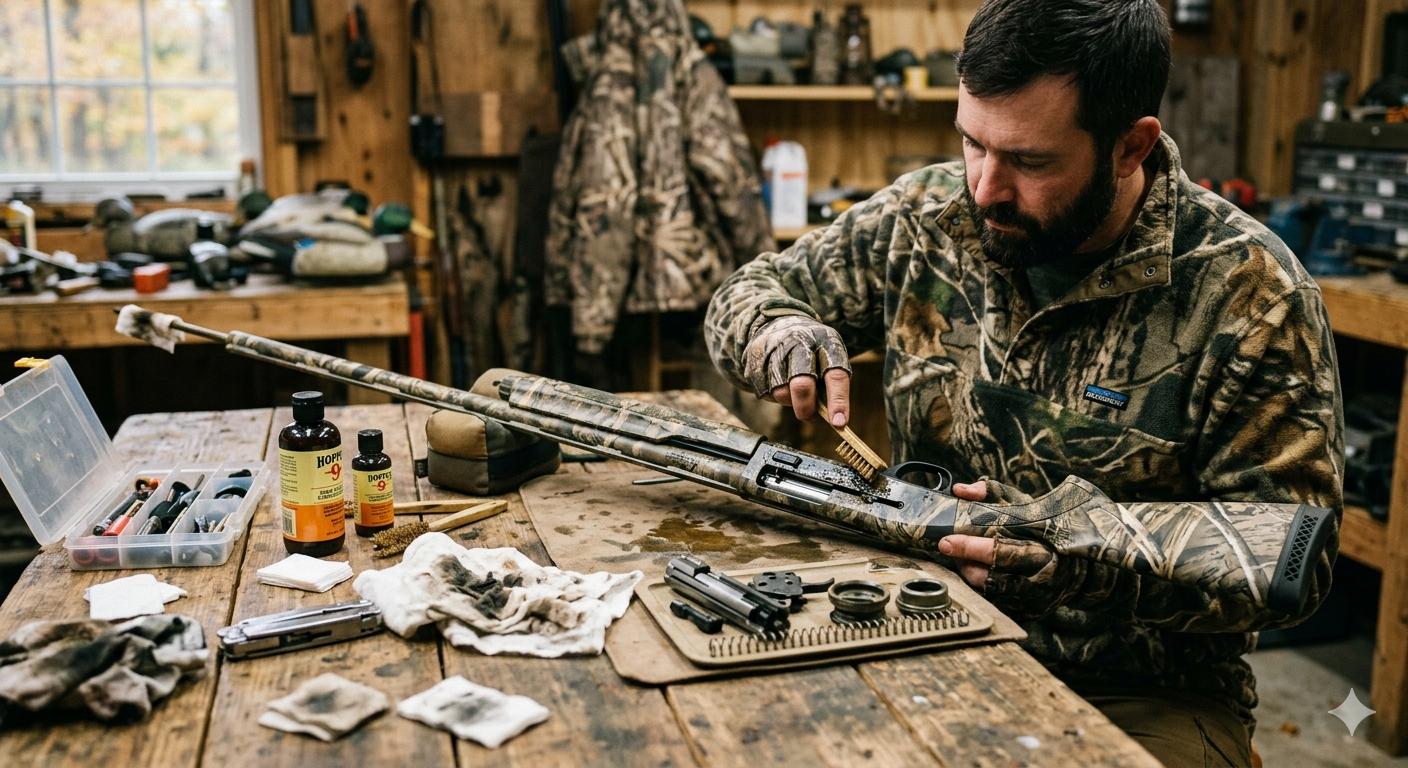
Cleaning a rifle
🔧 Required Gear
✏️ Bore Snake or Cleaning Rod 🪥 Bore Brush (caliber-matched) 📄 Cotton Patches 🧴 Bore Solvent (Hoppe's No. 9) 💧 Gun Oil or CLP 🧤 Latex Gloves 🧻 Clean Rags
▶ Watch It Done
📋 Cleaning Protocol
01.

Make Safe — Do This First, Every Time

Point the muzzle in a safe direction (toward the ground or a solid backstop). Remove the magazine by pressing the magazine release button — it drops free. Pull the bolt handle up and back to open the action fully. Look into the chamber — it should be empty. Run your finger along the bottom of the chamber to physically confirm. If you see or feel a round, carefully remove it. Only proceed when you can see daylight through an empty chamber.

02.

Field Strip — Remove the Bolt

With the action open and confirmed empty, most bolt-action rifles release the bolt by pulling it fully rearward while pressing a small bolt release tab or trigger (varies by model — on a Remington 700 you press the trigger; on a Winchester Model 70 there's a bolt stop release on the left side of the receiver). Pull the bolt straight back and out. You now have the barrel/action in one hand and the bolt in the other. That's all the disassembly you need for cleaning.

03.

Wet the Bore — Apply Solvent

Attach the bore brush to your cleaning rod. Pour a few drops of bore solvent (Hoppe's No. 9 is the standard — it smells like the past) onto the brush until it's wet but not dripping. Insert the rod from the breech end (the back, where the bolt was) — always clean from breech to muzzle, never the other way, to push fouling out the front. Push the brush all the way through until it exits the muzzle, then pull it all the way back. Do this 8–10 times. The brush scrubs carbon and copper fouling off the rifling grooves.

04.

Let the Solvent Work

Remove the bore brush and set the rifle down. Wait 5–10 minutes. The solvent needs time to chemically dissolve the copper and carbon — scrubbing without waiting is like washing dishes without soap. While you wait, move on to cleaning the bolt.

05.

Clean the Bolt

The bolt face (the round end that contacts the cartridge) collects carbon residue. Scrub it with a nylon toothbrush or chamber brush dipped in solvent. Pay attention to the extractor — the small claw-shaped part that grips the cartridge rim — fouling here causes failures to eject. Wipe everything clean with a rag or patch. Apply a single drop of gun oil to the bolt body and spread it with your finger. Do not oil the bolt face itself.

06.

Patch the Bore — Dry Passes

Attach the patch holder (the slotted tip) to your rod and thread a cotton patch through the slot. Run it through the bore from breech to muzzle. Pull it out and look at it — it will be dark with fouling. Repeat with fresh patches until they come out clean. This typically takes 5–8 patches. If patches are still very dark after 10, apply more solvent and wait another 5 minutes then patch again.

07.

Final Oil Patch

Run one last patch with 2–3 drops of gun oil or CLP on it through the bore. This leaves a very light protective coat against rust. The bore should look bright and shiny when you hold it up to a light source and look through it.

08.

Clean the Action

Use your toothbrush to scrub the inside of the receiver — the trough where the bolt sits. Carbon collects here. Wipe clean with a rag. Apply a very light coat of oil on a rag and wipe all interior metal surfaces. Do not leave puddles of oil — excess oil attracts dirt and can migrate into the stock, softening the wood or affecting the bedding.

09.

Wipe the Exterior

Take a lightly oiled rag and wipe all exposed metal — the barrel, scope rings, action, and any exposed steel on the stock. This protects against fingerprint acids and moisture which cause rust surprisingly quickly. If you have a blued finish, be more diligent; stainless steel is more forgiving.

10.

Reassemble and Function Check

Slide the bolt back into the receiver and push it forward until it seats. Lift the handle up and push it down to lock. Point in a safe direction and dry-fire to confirm the trigger and firing pin work. Work the bolt 3–4 times to confirm smooth cycling. Your rifle is clean and ready.

💡

Pro tip: Before hunting season, run a dry patch through the bore after your final clean. Leaving oil in the barrel is fine for storage, but some hunters prefer a dry bore for the first shot — a small amount of oil can briefly affect the bullet's initial point of impact at longer ranges.

Donate to Support favorite